Luang Prabang to Nong Khiaw: Routes, Times & What to Expect
By the Travel Laos team · 22 November 2026 · 8 min read · Updated 24 November 2026
In this post
Photo: Ekrem Canli · CC BY-SA 4.0 · via Wikimedia Commons
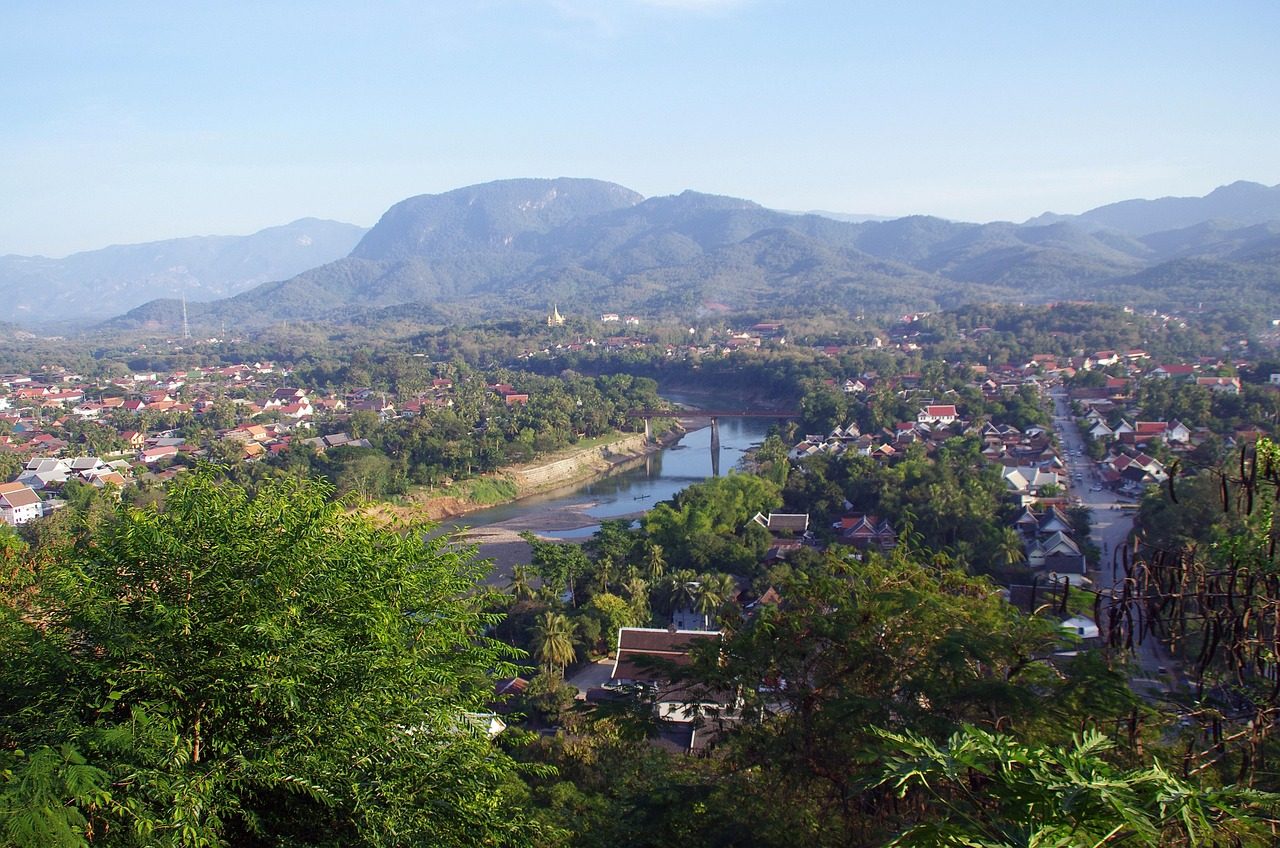
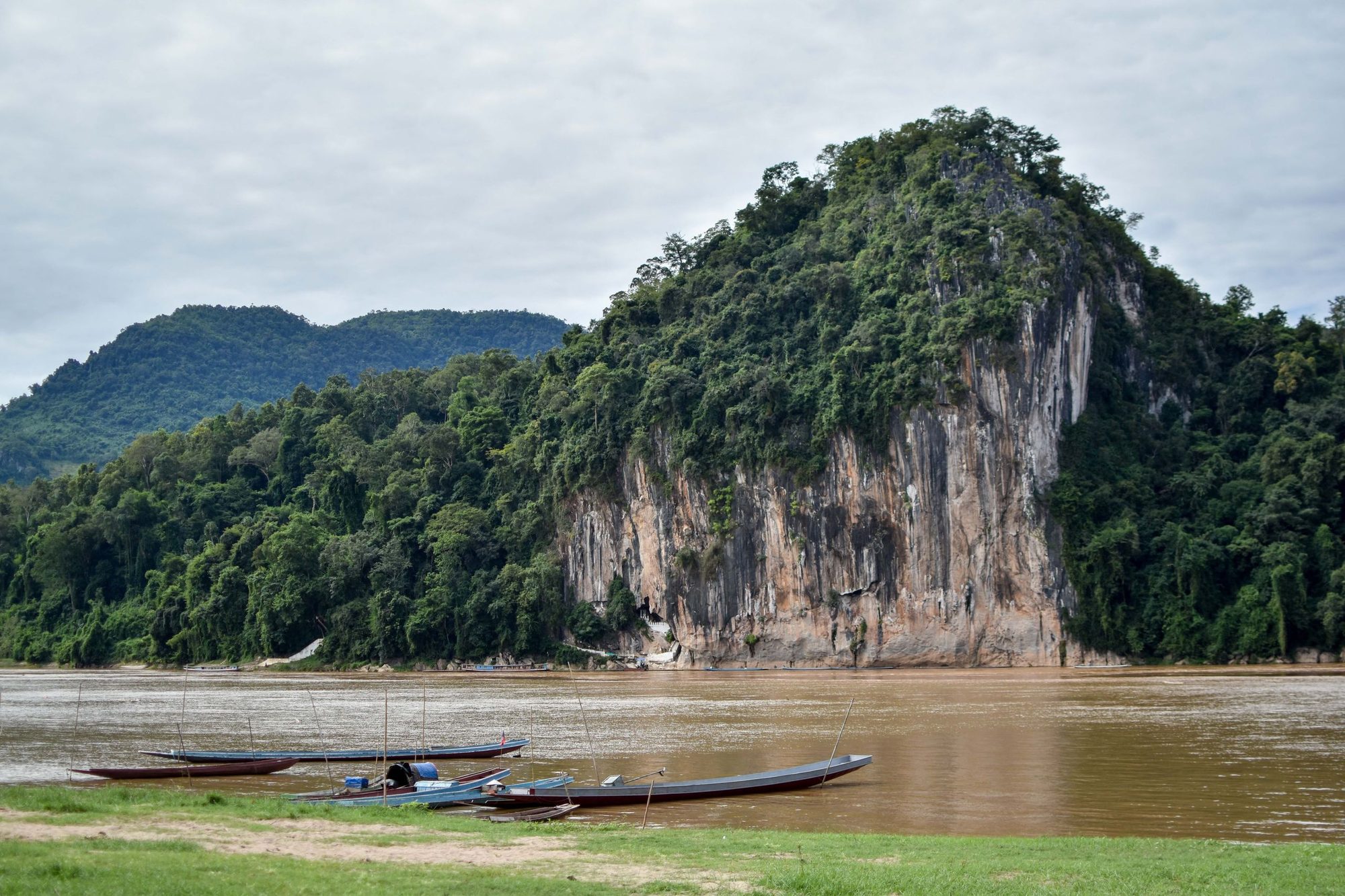
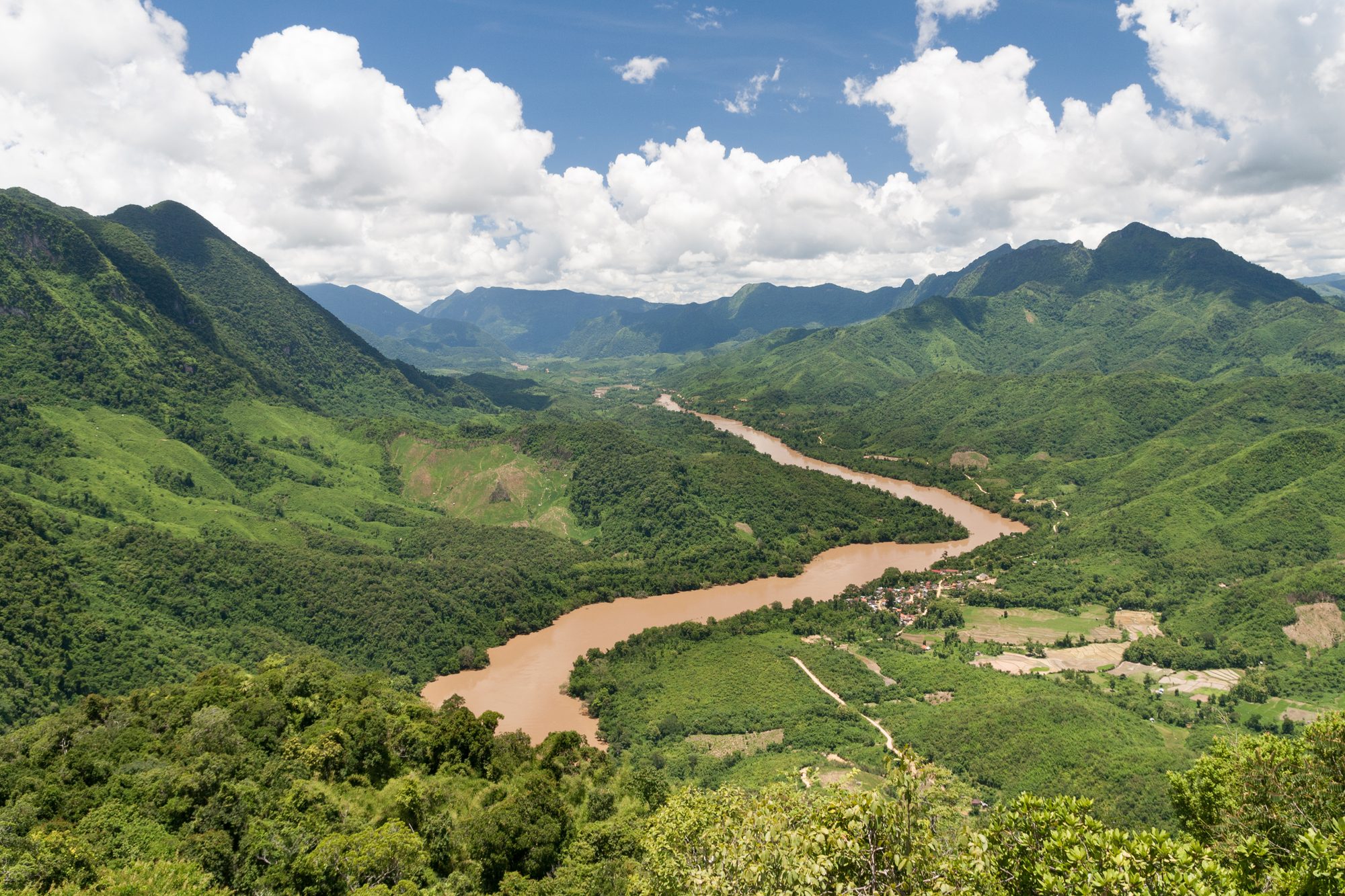
Nong Khiaw sits about 150 kilometres northeast of Luang Prabang, where the Nam Ou cuts through a wall of karst limestone. Most travellers treat it as the next stop on a northern Laos loop — a logical, beautiful step after a few days in the UNESCO old town. The journey is part of it, whichever way you go.
This guide pulls together the practical details travellers ask about most on this route, with current ground conditions rather than what a booking platform last updated.
How to Get from Luang Prabang to Nong Khiaw
The route works in both directions, so the same options apply heading north or south.
Minivan
Shared minivans run daily between Luang Prabang's Northern Bus Terminal (Naxay Bus Station) and Nong Khiaw. Journey time is roughly three to four hours depending on road conditions and how many stops the driver makes. Seats fill quickly during high season (November to February), so book the day before through a guesthouse or travel agent. The road is sealed for most of the route, winding through forested hills. Scenic, though the last stretch has tight bends — if you are prone to motion sickness, sit near the front.
Public Bus
The public bus covers the same route from the same terminal, more slowly. Expect four to five hours and more village stops. A reasonable option if you have time and want to see more of the countryside.
Private Car or Minibus
A private vehicle costs significantly more than a shared minivan but lets you stop at waterfalls or villages along the way. If you are four or more people, the per-person cost becomes more reasonable.
Slow Boat on the Nam Ou
This is the option most booking sites underplay. The stretch between Luang Prabang and Nong Khiaw is not regularly served by scheduled public boats — that is a common source of confusion for travellers who know the famous Mekong slow boat and assume a similar service runs the Nam Ou. Some operators in Luang Prabang offer private charters along this section. The scenery is extraordinary: sheer limestone cliffs, villages on stilts, water buffalo on the banks. Check current water levels before committing. The Nam Ou runs lower in the dry season (roughly November to May) and some stretches become difficult. During the green season the river rises and boat travel is more reliable. Ask at your guesthouse or hotel about which operators are currently running charters and what the water level is like before you plan around this option.
If you are still deciding whether Laos belongs on your itinerary at all, Is Laos Worth Visiting works through the question plainly.
 Related readPhonsavan, Laos: A 3-Day Itinerary from Luang Prabang
In Which Country Is Luang Prabang Located?
Luang Prabang is in Laos, a landlocked country in mainland Southeast Asia bordered by Thailand, Vietnam, China, Myanmar and Cambodia. It is a UNESCO World Heritage city known for its Buddhist temples, the daily alms-giving ceremony (tak bat) and the confluence of the Mekong and Nam Khan rivers. Nong Khiaw is also in Laos, in the northern province of Luang Prabang — which shares its name with the city.
How Long Should I Stay in Nong Khiaw?
Two full days is the minimum if you want to do more than pass through. With two nights you can walk one of the ridge viewpoints in the morning, rent a bicycle, and still have an evening on the river. Three to four nights opens up the longer trekking routes and overnight homestays in surrounding villages. Nong Khiaw is genuinely quiet — a rare thing in northern Laos — and most people who plan two nights end up wishing they had booked three.
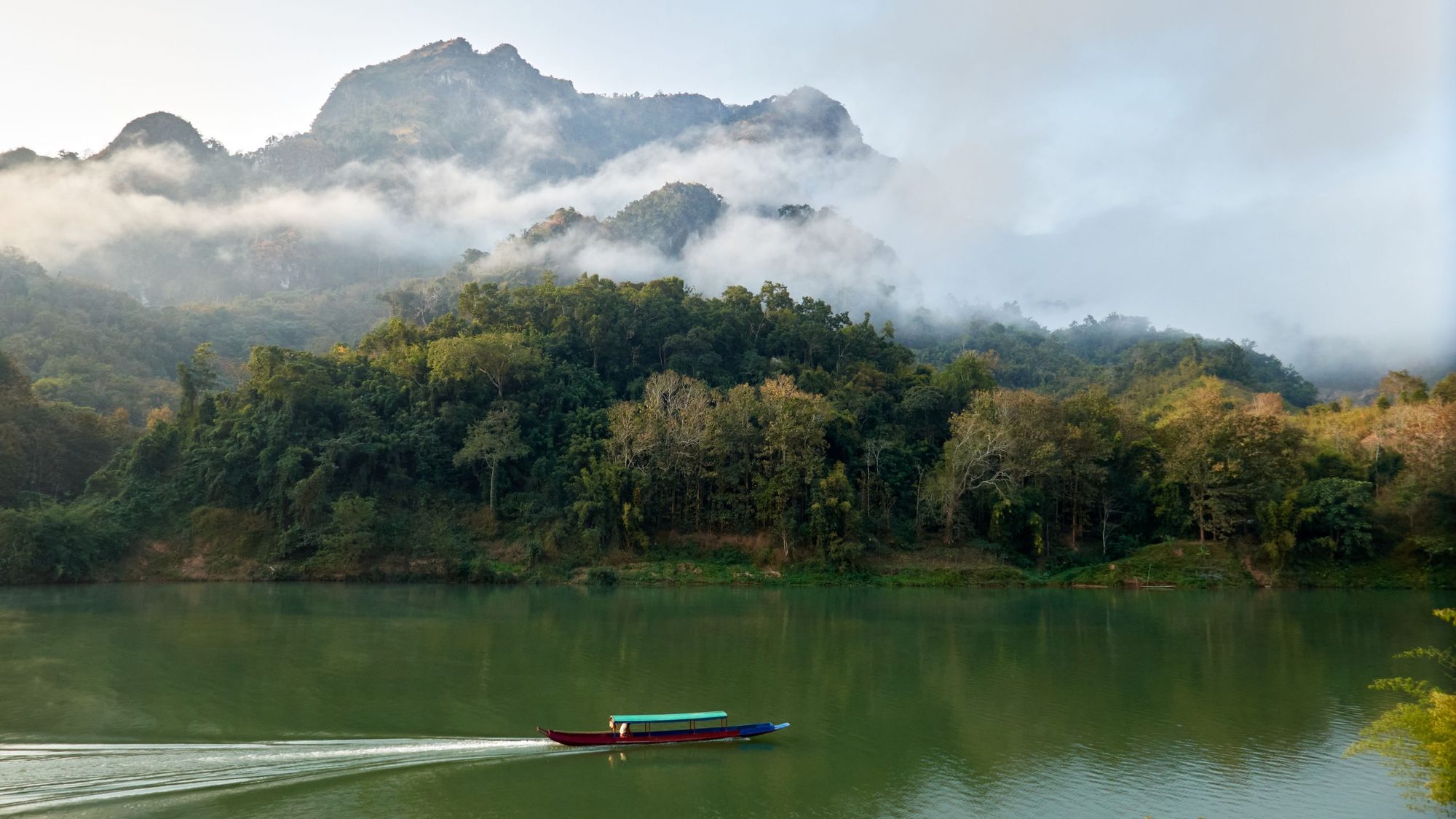
Photo: Mykhailo Petrushchak · Pexels License · via Pexels
How Many Days Do I Need in Luang Prabang?
Three full days covers the essentials: the morning tak bat, Wat Xieng Thong, the night market, Kuang Si Falls and an evening on the Mekong. Four to five days lets you go deeper — a cooking class, a temple tour off the main circuit, a half-day on the Nam Khan by kayak. Many guests arrive planning three days and extend when they realise how much is quietly waiting.
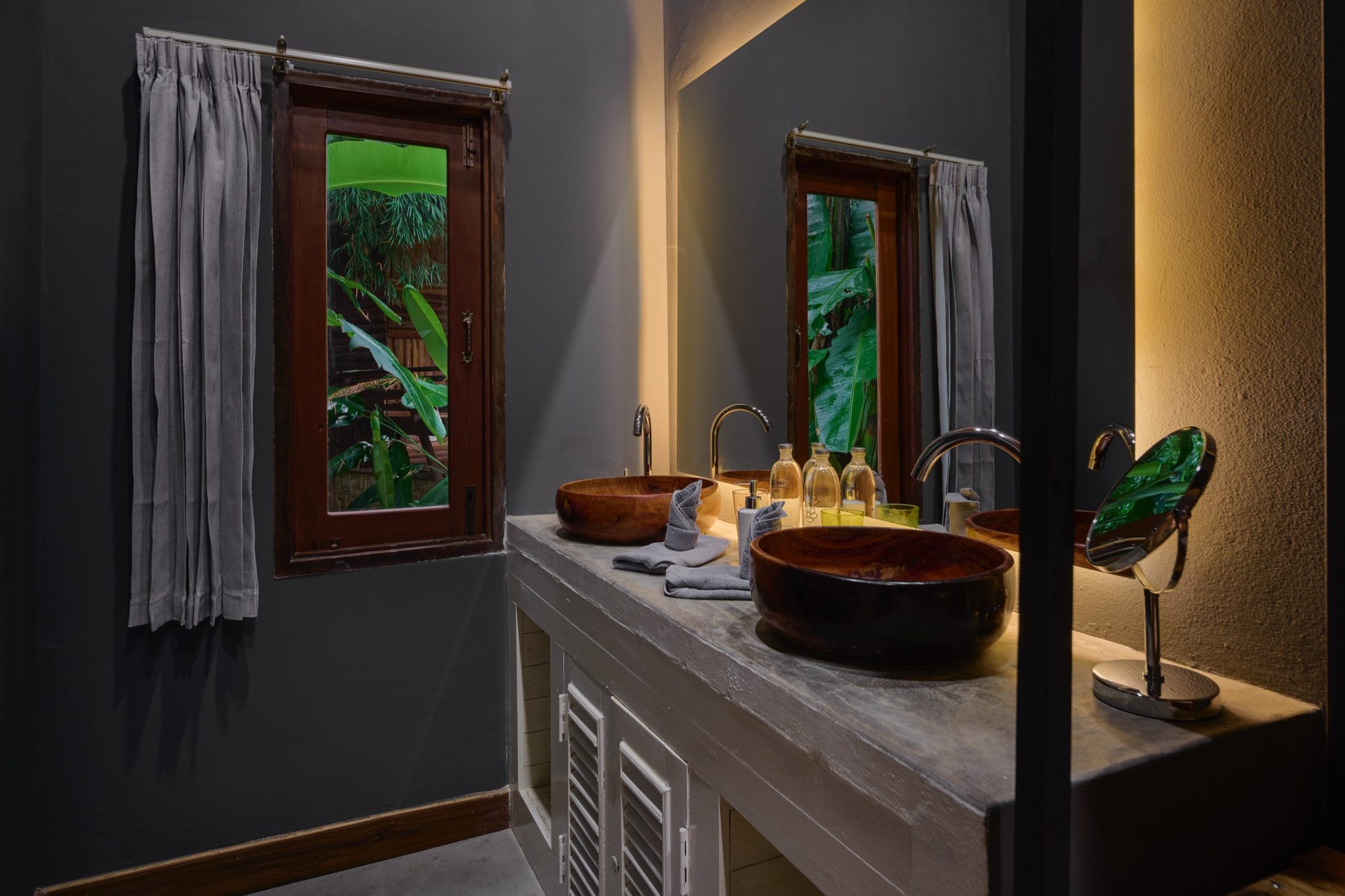
If you stay outside the old town on the Nam Khan, you are about fifteen minutes from the centre by tuk-tuk, so you can step into Luang Prabang when you want and return to the river when you need space.
What to Do Around Nong Khiaw
The town itself is a strip along the Nam Ou with guesthouses, a few good restaurants and a bridge that becomes a social hub at dusk. The main draws are outside it:
- Pha Tok Caves — two cave systems above the river used as wartime shelters, now accessible by a short climb
- Phadeng Peak viewpoint — a steep hour up for a view of the river valley that justifies the effort
- Muang Ngoi — a village further north, reachable by longtail boat in about an hour, with no road access and excellent trekking
- The 100 Waterfalls trail — a guided hike through forest to a series of tiered falls, best from September to November when the water is high
Most of these can be organised locally on arrival. Nong Khiaw does not require advance planning the way Luang Prabang does.
Planning a Trip from Chiang Rai to Luang Prabang via Nong Khiaw
The Chiang Rai to Luang Prabang route is one of the great overland journeys in mainland Southeast Asia, and Nong Khiaw slots naturally into it.
The most common path: Chiang Rai by road to Chiang Khong (Thailand), cross the Mekong at the Thai–Lao Friendship Bridge to Huay Xai (Laos), then take the two-day slow boat down the Mekong to Pak Beng and on to Luang Prabang. From Luang Prabang, the journey continues northeast to Nong Khiaw.
The slow boat from Huay Xai takes two days with an overnight in Pak Beng. Wooden vessels, bench seats or deck chairs, local passengers, river villages on the banks — it is a genuine river journey. Book in advance during high season; places sell out. If time is short, a fast boat covers the same stretch in a few hours but is loud and physically uncomfortable.
An alternative stays overland: some travellers cross at Chiang Khong and take a bus or minivan via Luang Namtha to reach Nong Khiaw before heading south to Luang Prabang. This passes through some of the least-visited countryside in the region.
Luang Prabang is a natural place to slow down after several days of travel, with a night or two in town before continuing north.
Practical Notes for the Journey
- Departure point in Luang Prabang: the Northern Bus Terminal (also called Naxay or Naxone Bus Station), on the northern edge of town. Tuk-tuks run there from the old town.
- Arrival in Nong Khiaw: buses and minivans drop passengers near the bridge. Most guesthouses are within walking distance.
- What to bring: cash in Lao kip (ATMs exist in Nong Khiaw but are not always reliable); a layer for the drive in cool season; earplugs for a shared minivan on a winding road.
- Mobile signal: reasonable along the main road; patchy once you are on foot in the hills.
- Timing: an early start from Luang Prabang (7–8 am) puts you in Nong Khiaw by midday with the afternoon free.
For current entry requirements and travel advice, the official Lao e-visa portal and your home country's official travel advisory are the most reliable sources — check before you travel.
Questions
Can I do Luang Prabang to Nong Khiaw in a day?
Yes. The minivan takes three to four hours, so a morning departure has you there by midday. It works best as a one-way leg — you will want at least one night in Nong Khiaw to make the journey worthwhile.
Is there a slow boat from Luang Prabang to Nong Khiaw?
Scheduled public slow boats do not operate this stretch regularly. The Nam Ou route is served by private charters rather than scheduled departures. Ask locally about current operators and water conditions before planning around it.
What is the difference between Nong Khiaw and Muang Ngoi?
Nong Khiaw has road access, ATMs, restaurants and motorbike hire. Muang Ngoi is an hour north by longtail boat with no road access and a noticeably quieter atmosphere. Many travellers on a northern loop do both.
When is the best time to visit Nong Khiaw?
October to February is generally best — rains have eased, the landscape is green and the Nam Ou is navigable. March and April are hot and hazy. The wet season (June to September) is vivid but some trails and roads are affected by heavy rain.