Luang Prabang Railway Station: What to Expect
By the Travel Laos team · 23 November 2026 · 6 min read · Updated 24 November 2026
In this post
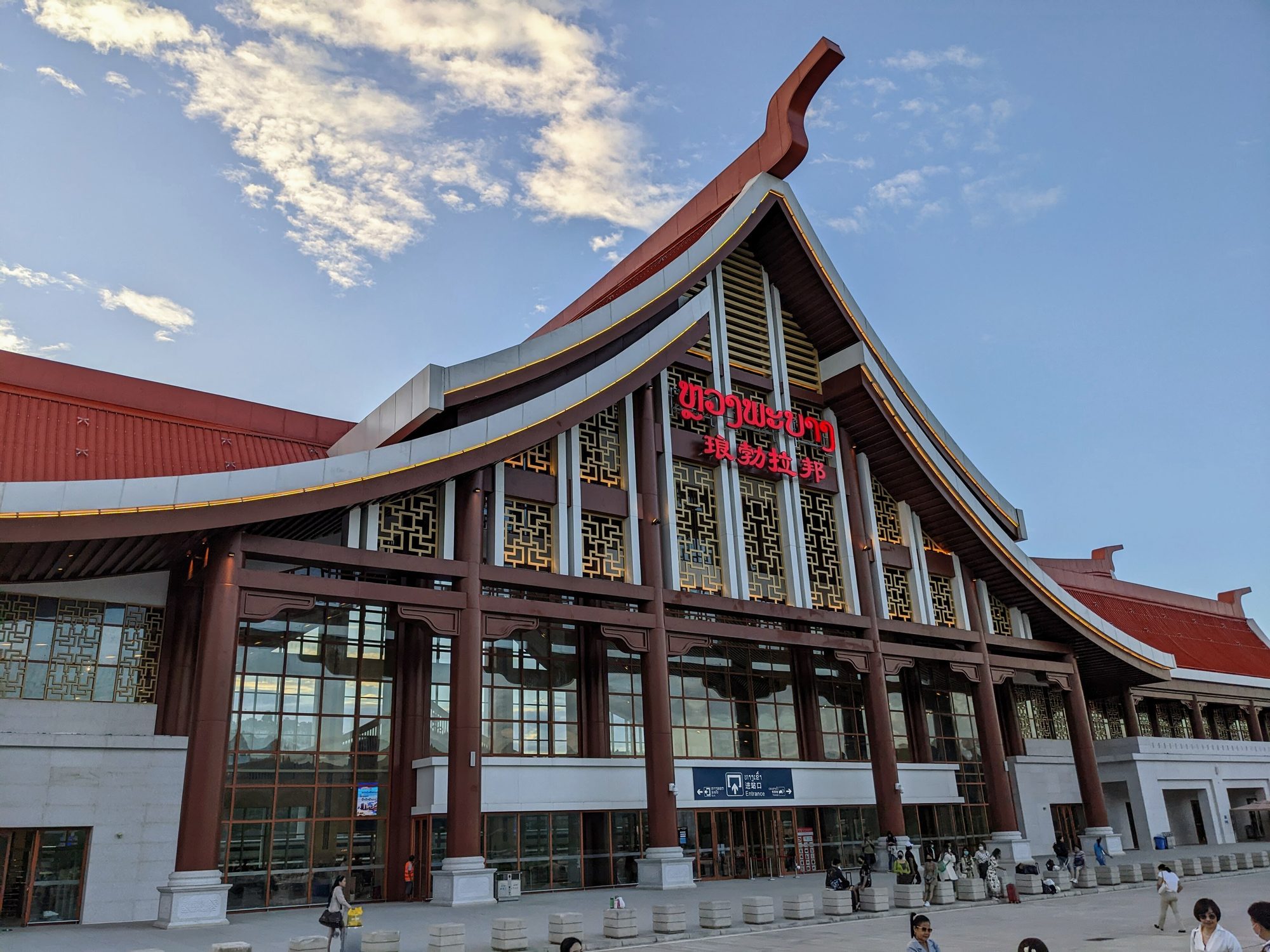
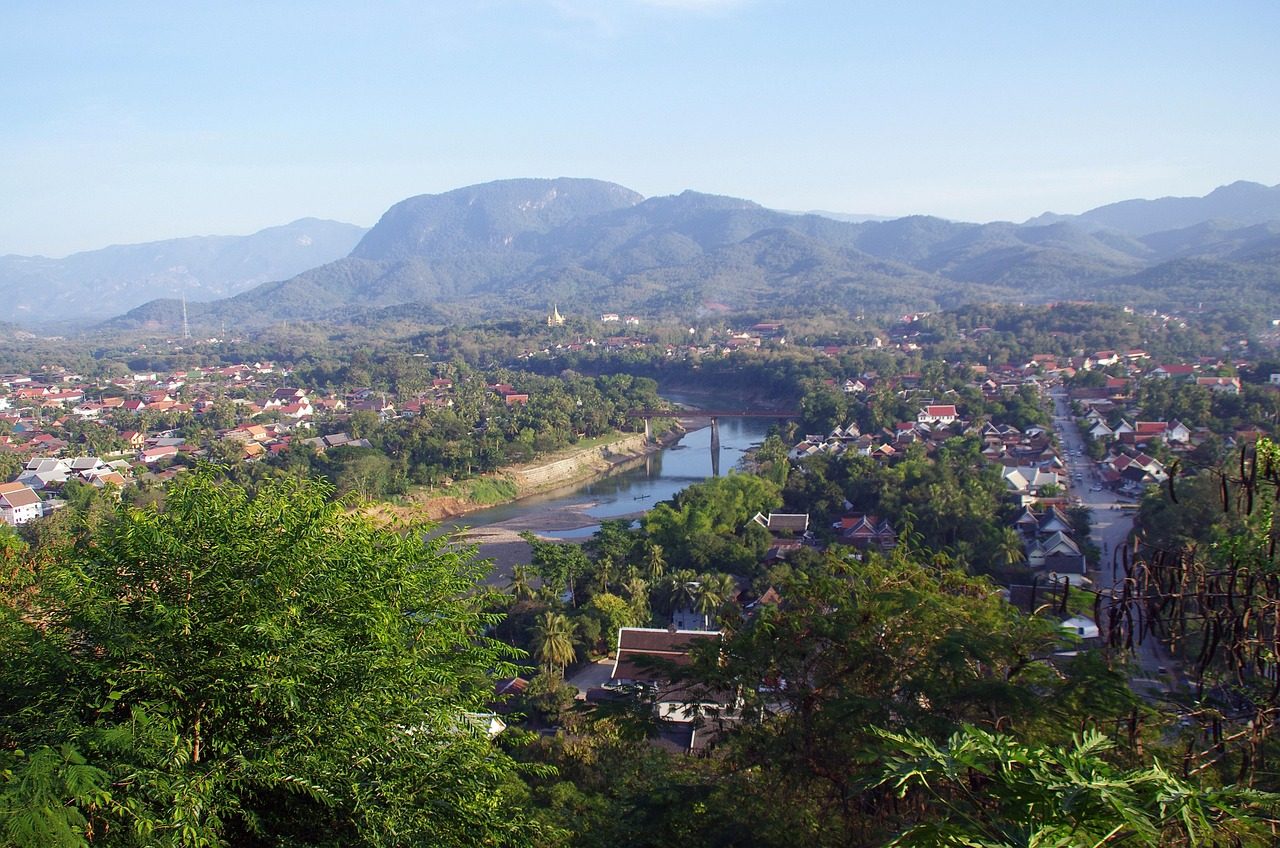
Photo: Jpatokal · CC BY-SA 4.0 · via Wikimedia Commons
Luang Prabang railway station sits in the Ban Naxay area, roughly 8–10 kilometres north of the UNESCO Old Town. It opened in December 2021 as part of the Laos-China Railway — a 422-kilometre line connecting the Chinese border at Boten to Vientiane — and it changed how people move through northern Laos. Where the journey from Vientiane once took a full day by road, the train now does it in under two hours.
This page covers the practical side: where the station is, how to reach town, what the trains connect to, and what to expect when you arrive with luggage and no fixed plan.
Where Is Luang Prabang Railway Station?
The station sits in Ban Naxay, on the north side of the Nam Khan River, roughly 8–10 kilometres from the Old Town peninsula. It is modern and air-conditioned, with ticket windows, a waiting hall and basic food stalls inside. Signage is in Lao, Chinese and English.
Luang Prabang is one of the main intermediate stops on the line, which runs from Boten on the Chinese border south through Luang Namtha and Oudomxay before reaching this station, then continues south to Vang Vieng and Vientiane.
 Related readLaos China Railway: The Complete Guide for Visitors
Getting from Luang Prabang Train Station to Town
The station's distance from the Old Town means you cannot walk it. The main options are:
Tuk-tuks and minivans wait outside the station exit. The journey into the centre takes around 20–30 minutes depending on traffic. Fares are typically negotiated; sharing a minivan with other passengers is common and brings the cost down.
Pre-arranged hotel transfer is the most straightforward option if you are arriving with luggage or in the evening. Share your train details when you book; most properties will confirm pick-up timing and meet you at the exit.
Loca, the main ride-hailing app in Laos, operates in Luang Prabang. Availability at the station varies. Download the app and load your destination before you arrive, as station Wi-Fi can be slow at peak times.
There is no scheduled public bus linking the station directly to the Old Town that visitors can rely on — check locally, as this may change. The final few kilometres into the historic centre can slow in the late afternoon.
Trains: Routes, Frequency and Journey Times
The Laos train network is essentially one line — the Laos-China Railway — with Luang Prabang as its most visited stop. The complete guide to the Laos-China Railway covers ticketing, seat classes and cross-border travel in more detail.
North toward China, the line continues to Oudomxay, Luang Namtha and Boten on the Chinese border, connecting with the Yunnan section into Kunming and beyond. Crossing requires valid visas for both countries and may involve changing trains; check current requirements with Lao and Chinese authorities before you travel.
South toward Vang Vieng and Vientiane is the journey most international travellers make. Luang Prabang to Vang Vieng takes around 1 hour 20 minutes; Luang Prabang to Vientiane takes around 2 hours. These are approximate figures as of May 2026 — confirm current timings at the station or through an authorised agent, as frequencies are adjusted periodically.
Trains are Chinese-built EMUs, clean and air-conditioned. Second class is comfortable for the journey lengths involved. Tickets sell out on popular dates, particularly during Lao New Year (Boun Pi Mai, usually mid-April) and Chinese national holidays. Book ahead if your dates are fixed. Several trains run in each direction daily, with departures spread across the morning and afternoon.
Luang Prabang by Train: Scenes Along the Way
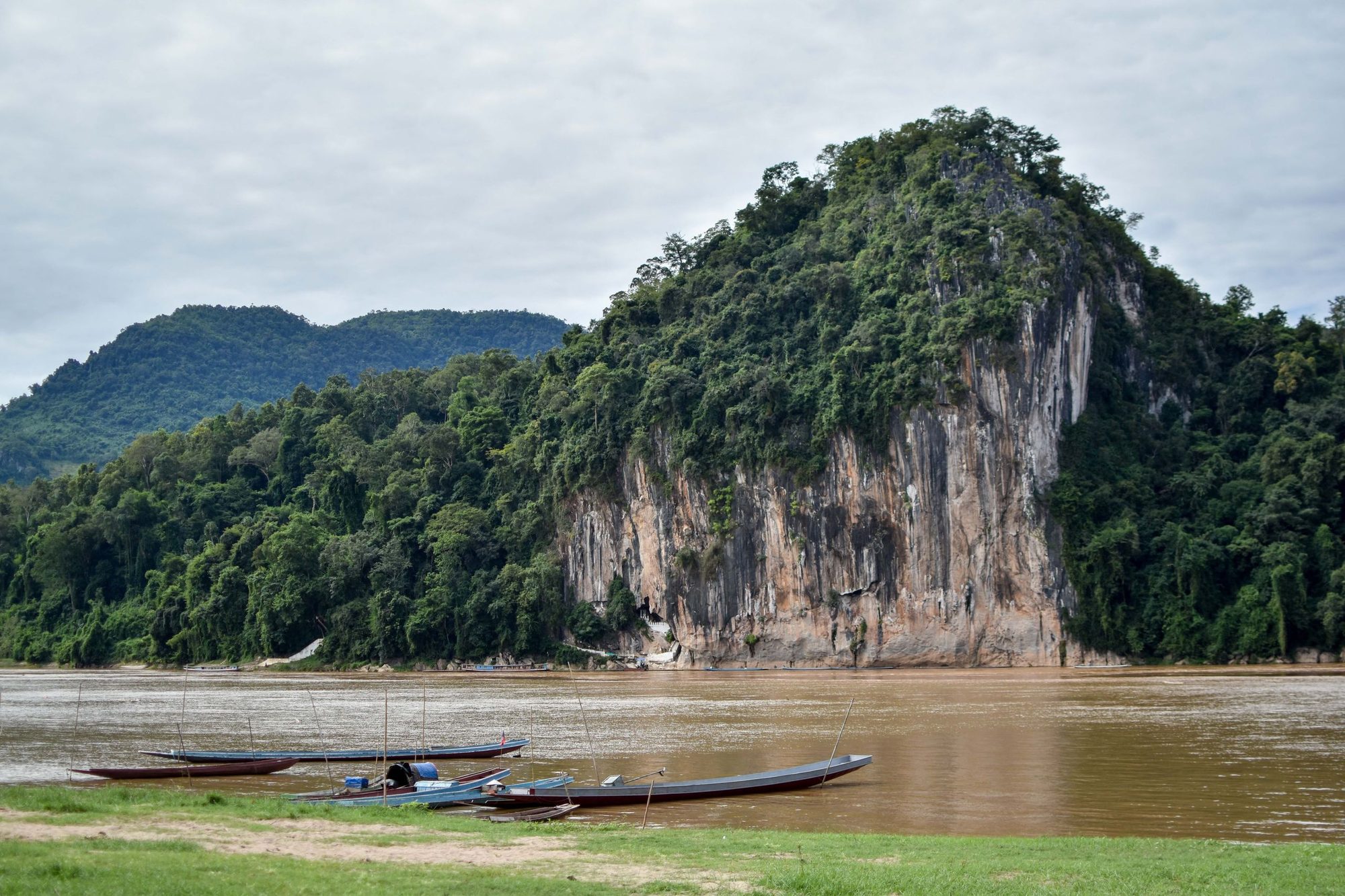
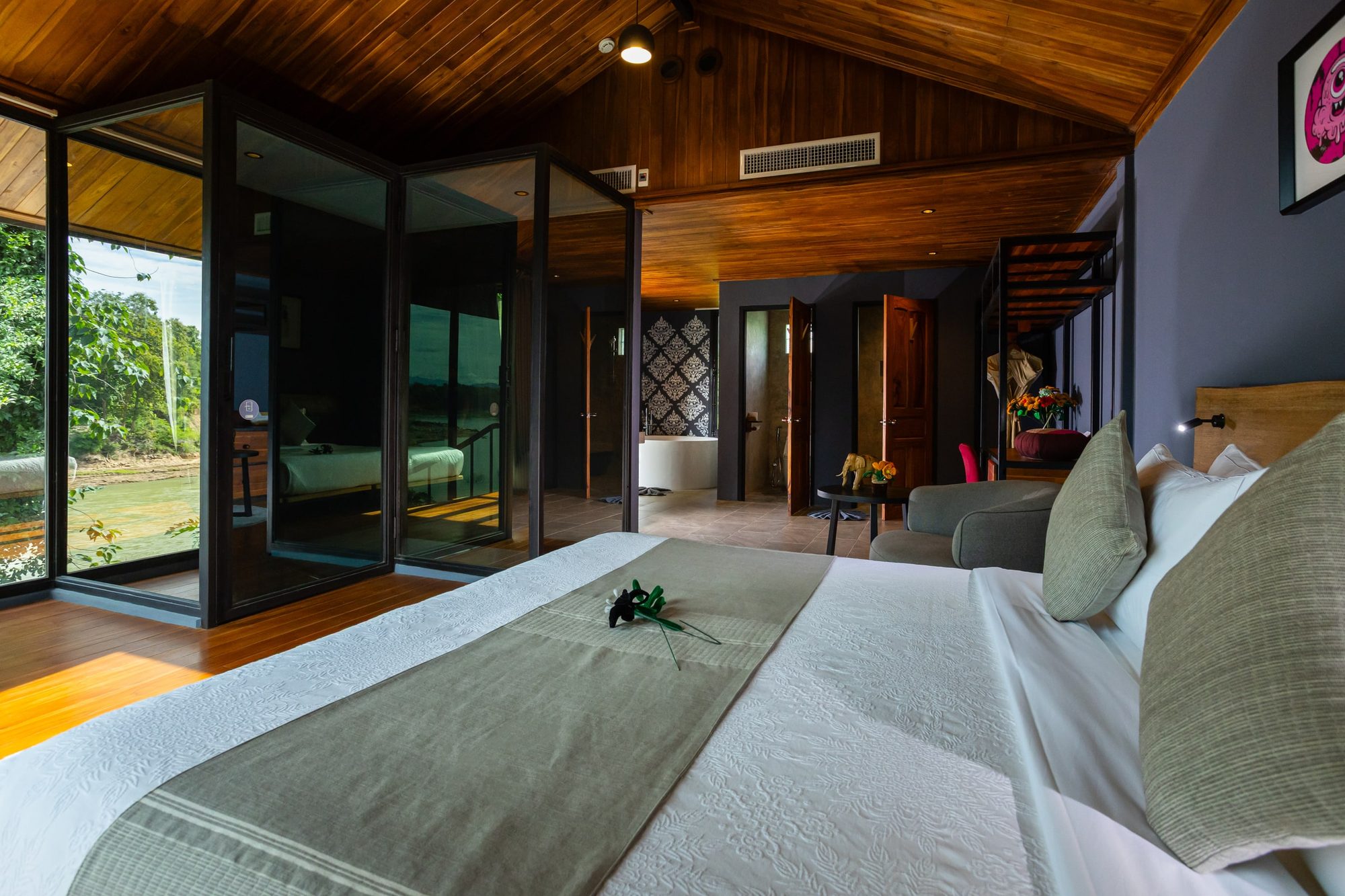
The train journey itself has become part of the experience. The section south of Luang Prabang passes through limestone karst and forested hills; the approach from the north runs through mountains the engineers tunnelled rather than went around. Sit on the right side of the carriage on the descent from Boten for the better views.
If you are using the train as a stopover on a longer route — arriving from Vang Vieng, spending a few nights, then continuing north — Luang Prabang makes a natural midpoint. The top attractions in Luang Prabang guide covers how to pace your time once you are here.
Luggage, Queues and Practical Notes
Security follows Chinese railway protocol: bags go through an X-ray scanner before you enter the platform area, similar to airport security but faster. Keep flammable materials and sharp objects out of carry-on bags. The process is usually quick at Luang Prabang station, though it slows when multiple trains arrive close together.
Ticket checks happen at the barrier; have your ticket or booking confirmation ready. Physical tickets are issued at the window; QR code tickets from online booking also work at the barrier scanners.
The waiting area has seats, air conditioning and a small selection of drinks and snacks. Toilets are inside the station building. As of May 2026, there is no left-luggage storage at the station — confirm locally if this has changed. If you need to store bags between a morning arrival and a late-afternoon check-in, your hotel is the best option; most will hold luggage before check-in or after checkout.
Arriving in Luang Prabang: What Comes Next
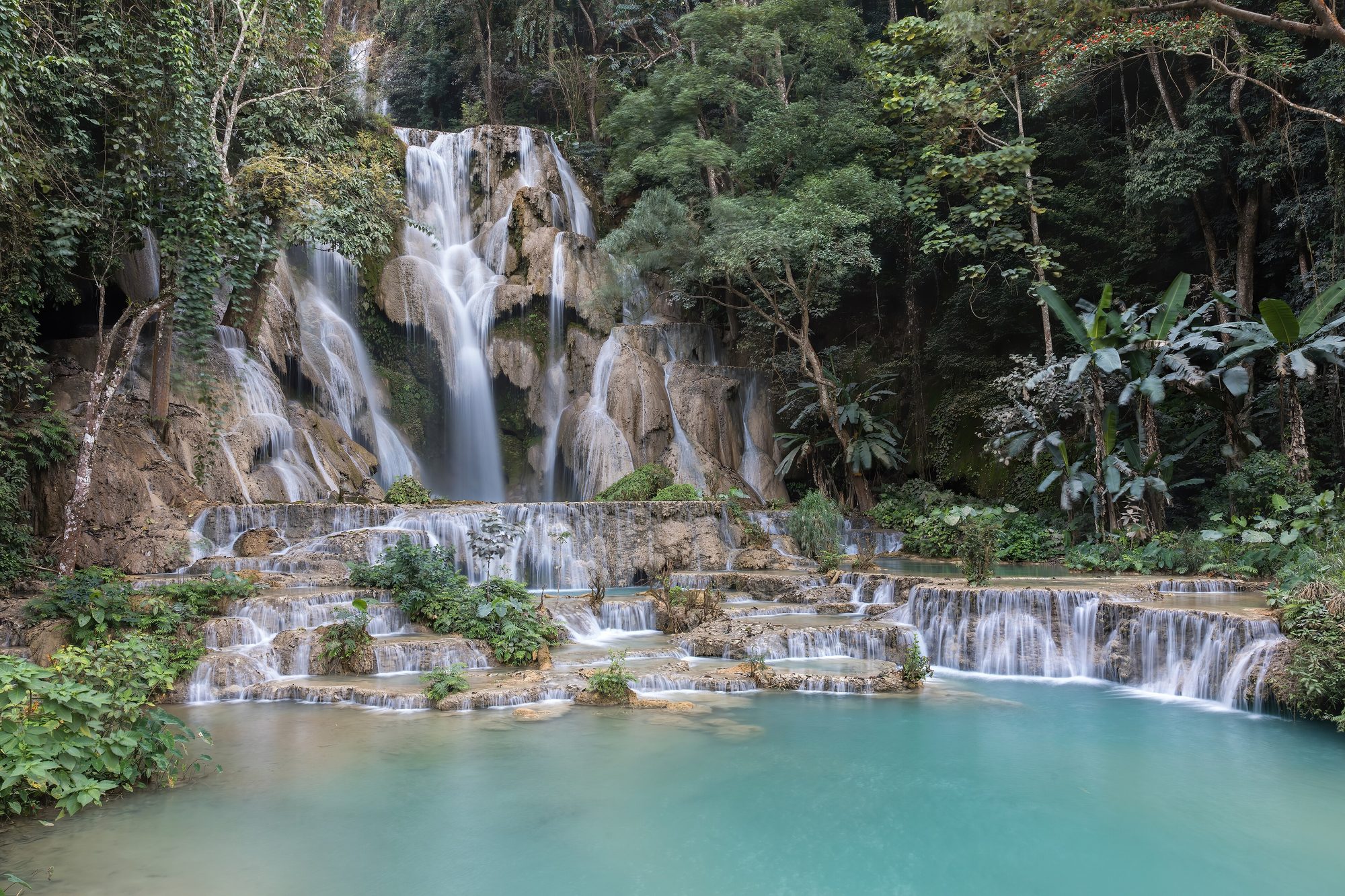
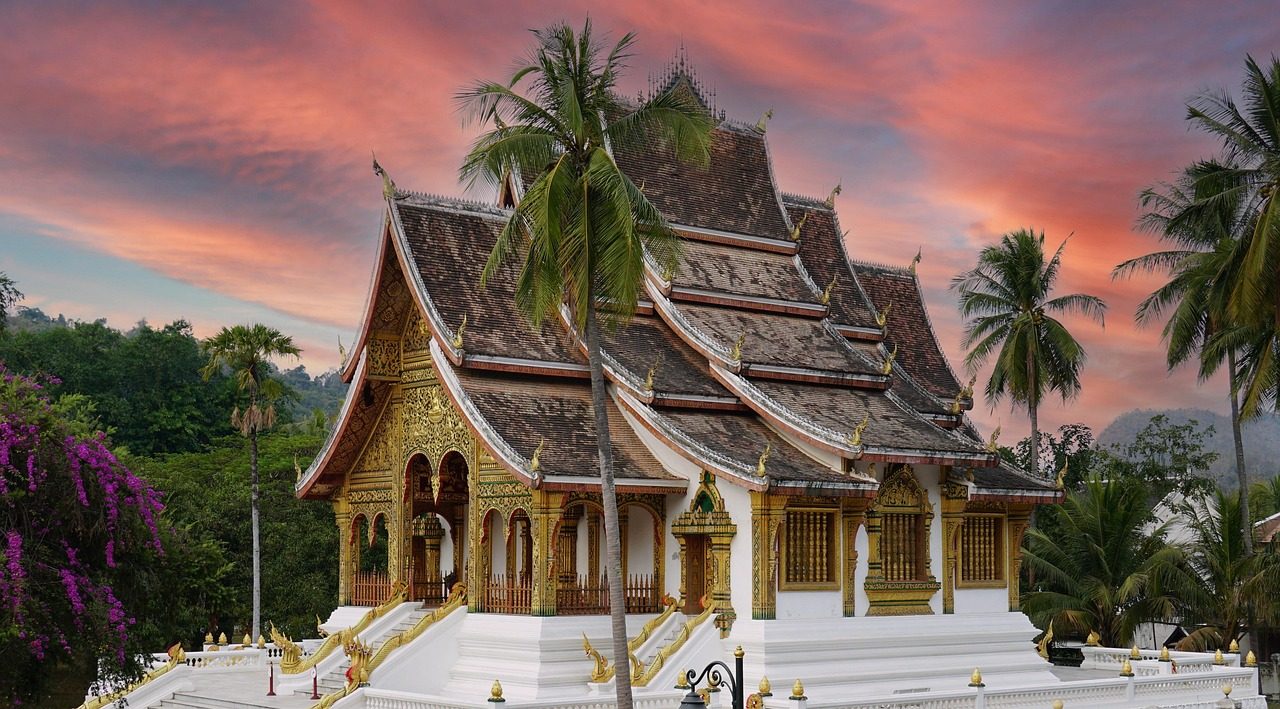
Luang Prabang is a UNESCO World Heritage city — compact, walkable in its centre, and quieter than most provincial capitals in Southeast Asia. The Old Town sits on a peninsula between the Mekong and the Nam Khan. The alms-giving procession at dawn, the night market, Wat Xieng Thong and Kuang Si Falls are all within reach once you have dropped your bags.
Two nights is enough to see the temples and the market. Four or five allows time for Kuang Si Falls, a cooking class and something slower. The city rewards a slower pace. Arrive by train, stay a few nights, and leave knowing you have barely scratched the surface — which is, for many people, exactly the point.
Questions
How do I get from Luang Prabang train station to town?
The station is roughly 8–10 kilometres from the Old Town. Tuk-tuks and minivans wait outside; the journey takes around 20–30 minutes. Pre-arranging a transfer with your hotel is the most straightforward option, particularly in the evening.
How long is the train from Luang Prabang to Vang Vieng?
Around 1 hour 20 minutes on the Laos-China Railway — an air-conditioned ride through mountain terrain. Confirm current departure times at the station or through a ticketing agent before you travel.
Can you get a train from Luang Prabang to Vientiane?
Yes. The Laos-China Railway connects Luang Prabang directly to Vientiane in around two hours, with trains running several times daily. Book ahead during Lao New Year and Chinese national holidays, when demand is high.
What can't you take on the Laos train?
Standard prohibitions apply: flammable materials and sharp objects in carry-on bags. Bags go through X-ray screening before boarding. Check with the station or Tourism Laos for a current, complete list.