Laos or Vietnam: Which Should You Visit First?
By the Travel Laos team · 22 November 2026 · 6 min read · Updated 24 November 2026
In this post
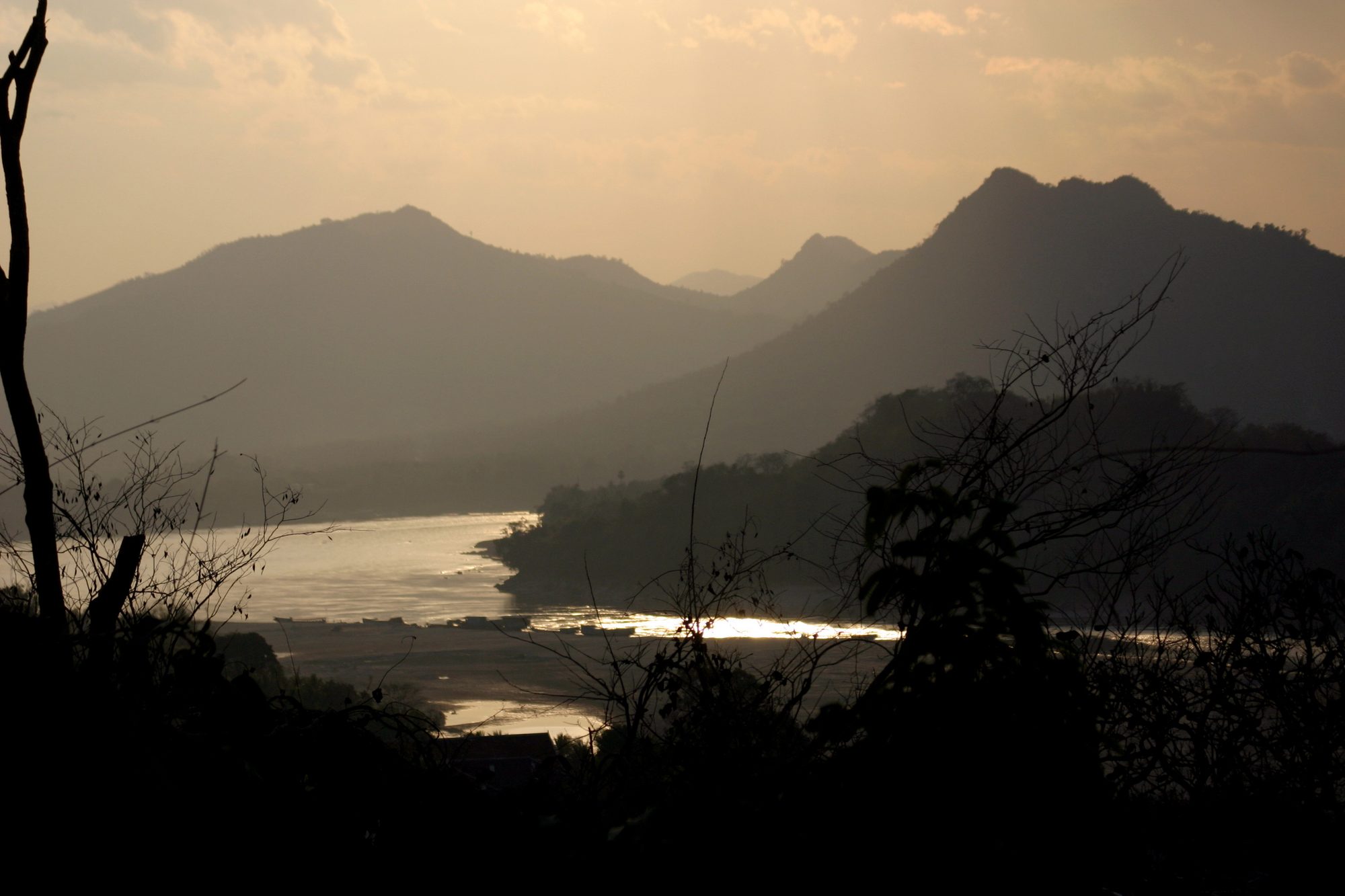
Photo: Gerd Eichmann · CC BY-SA 4.0 · via Wikimedia Commons
The question comes up constantly on travel forums: Laos or Vietnam? Both countries sit in mainland Southeast Asia, share a long border, and appear on the same round-trip itinerary with enough regularity that you would think they were interchangeable. They are not. The two countries feel different from the first morning — in pace, in noise level, in what a good day looks like. This guide works through the main differences so you can decide.
One note: several search results for "Vietnam vs Laos" point to football fixtures. This is not that article. If you want match scores, the football sites will serve you better. If you are deciding where to spend two weeks of your year, read on.
Pace and Crowds
Vietnam is a country of 97 million people and knows it. Hanoi, Ho Chi Minh City and the coastal resorts move fast. Street life is loud and layered, the food scene is extraordinary, and there is almost always something happening.
Laos has fewer than eight million people spread across a country roughly the size of the United Kingdom. Luang Prabang, the most visited town, has one main street of colonial shophouses, a handful of monasteries, and a morning alms-giving ceremony at first light. By nine, the monks have returned, the market stalls are packing up, and the town slips back into something close to quiet.
Arrive in Luang Prabang after several days in a Vietnamese city and the contrast is often what you notice first: the rhythm is set by the river and the monasteries rather than by traffic.
 Related readLaos or Thailand: Which Should You Choose?
Culture and UNESCO Heritage
Both countries have UNESCO World Heritage Sites. Vietnam has several — Hoi An Ancient Town, Ha Long Bay, the imperial citadel at Hué. They are well worth seeing, and they are also well-visited.
Luang Prabang is a UNESCO World Heritage town — the entire old town and surrounding landscape carry the designation, covering its blend of Lao vernacular architecture, French colonial buildings and living Buddhist traditions. What makes it unusual is that the traditions continue. The tak bat, the daily alms-giving procession at dawn when monks in saffron robes walk silently through the streets while residents offer sticky rice, is not a performance. It happens every morning of the year.
Attending respectfully means arriving quietly, dressing modestly and following local guidance. Guided tak bat visits can be arranged through the hotel; the tour begins at 05:00 and returns around 07:00.
Luang Prabang has thirty-three temples inside the old town. Wat Xieng Thong, at the northern tip of the peninsula, is considered the finest example of Lao religious architecture. Wat Sene dates from 1718. You can walk between most of them in an afternoon, though a guide changes what you notice considerably.
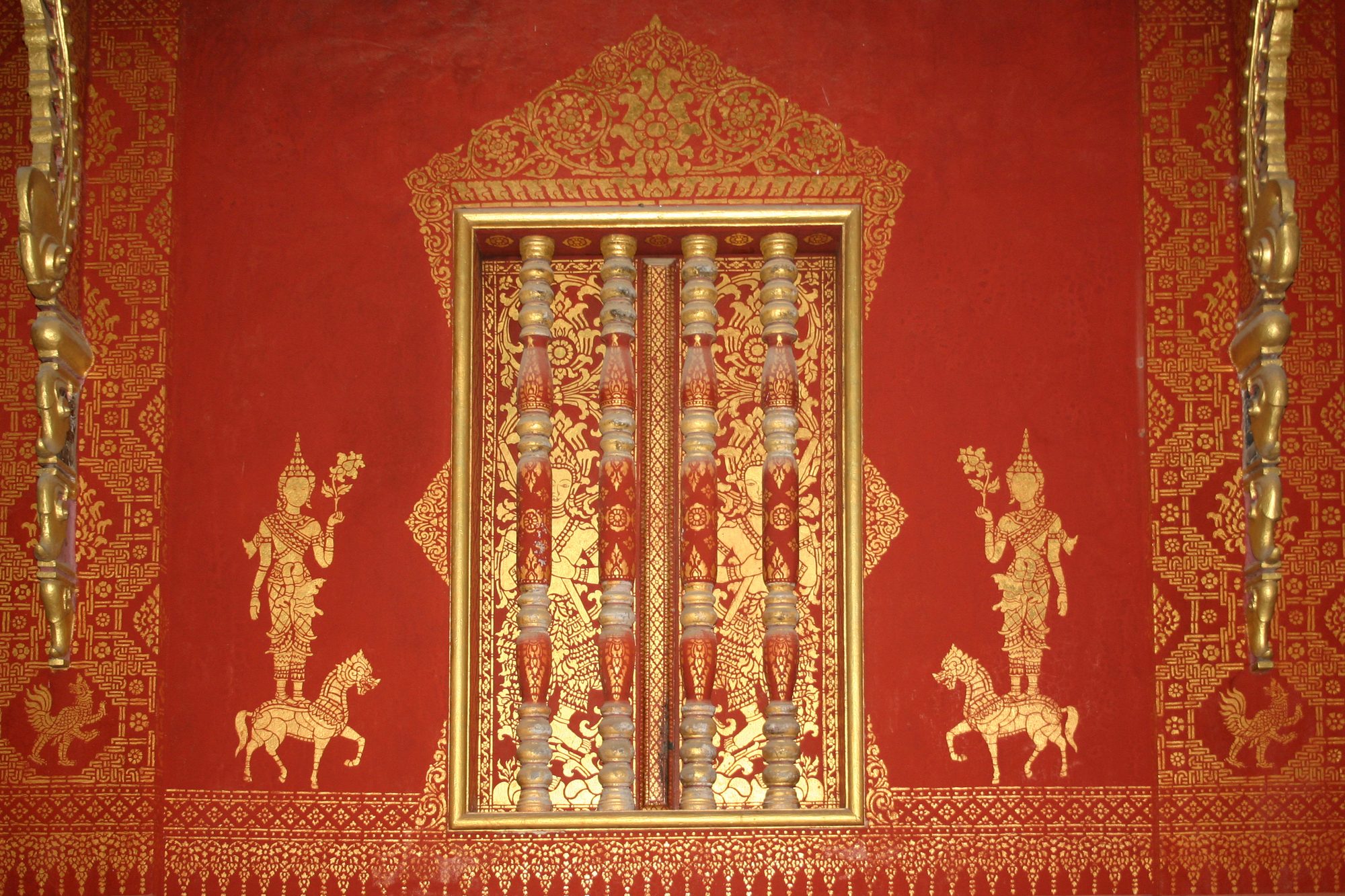
Photo: Gerd Eichmann · CC BY-SA 4.0 · via Wikimedia Commons
Nature, Landscape and the Vietnam vs Laos River Question
Vietnam's landscape runs from the northern highlands of Sa Pa through limestone karst formations, long coastlines and the Mekong Delta. The variety is genuine.
Laos has the Mekong running almost its entire length, the Kuang Si waterfall complex, forest-covered mountains in the north and the Bolaven Plateau in the south. Getting between places takes longer than maps suggest — road quality varies, internal flights are limited.
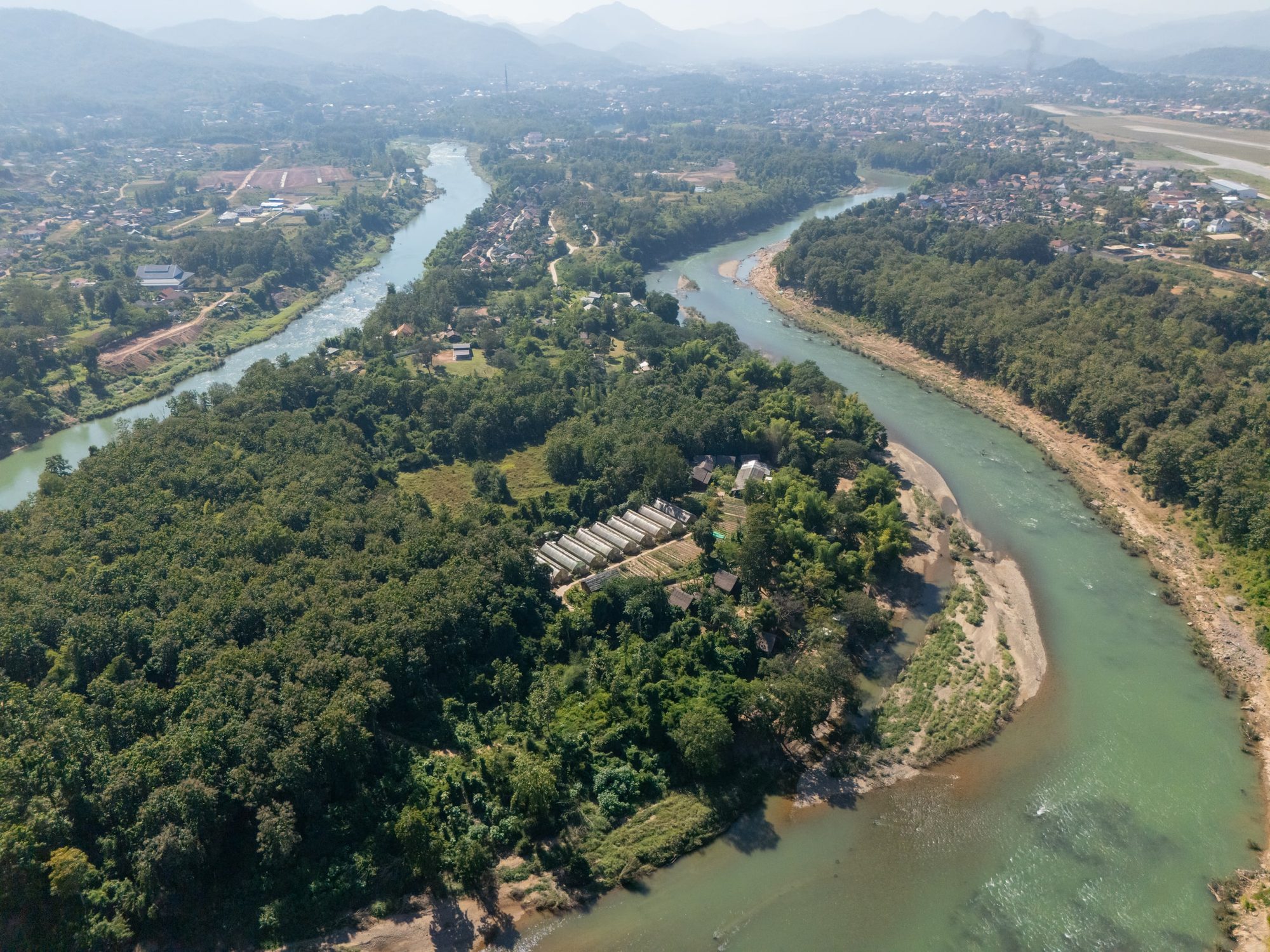
What Laos offers that is harder to find elsewhere is the Nam Khan river valley. The Nam Khan joins the Mekong just east of Luang Prabang's old town. Kayaking here takes roughly an hour and returns by tuk-tuk. The current is gentle and the banks are forested. If you are planning a broader Laos itinerary, the Luang Prabang to Nong Khiaw guide covers the next stretch north.
Laos or Cambodia? A Quick Note
Travellers weighing Laos or Cambodia are usually choosing between Luang Prabang and Siem Reap. Angkor Wat is one of the great archaeological sites on earth, and Siem Reap has changed considerably over the past decade. Luang Prabang is a living town rather than a monument site — smaller in scale, with its own distinct character. Many travellers do both on a longer trip; if you have to choose, consider whether a world-historical monument or a town that has held its shape matters more to you right now.
If a third comparison is in the mix, Laos or Thailand covers the differences in infrastructure, beaches and pace in more detail.
Food
Vietnamese food is widely regarded as one of the great cuisines of Southeast Asia — pho, banh mi, bun cha, the regional differences between north and south. It is accessible, varied and everywhere.
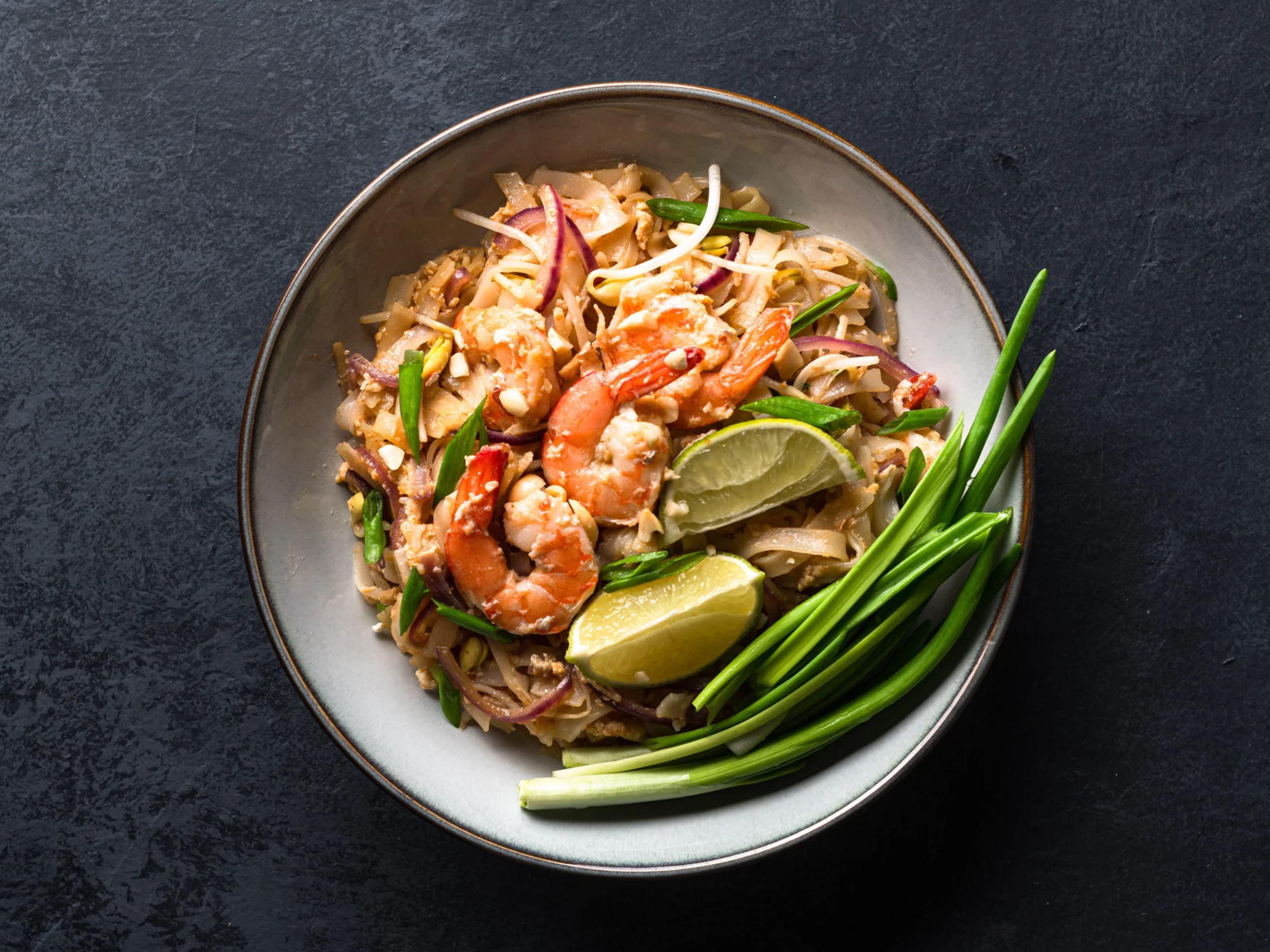
Lao food is less documented internationally but has its own identity. Sticky rice (khao niao) is the staple, eaten by hand alongside laap — a salad of minced meat, herbs and lime — or jeow, dipping pastes made from grilled vegetables, chilli and fermented fish sauce. Khao soi in Luang Prabang is a noodle soup quite different from the Thai version: pork, tomato and fermented bean paste.
Around Luang Prabang, several farm-to-table restaurants and cooking schools work directly from organic gardens, so a cooking class using ingredients harvested that morning is easy to find.
Getting There and Getting Around
Vietnam has more international connections. Hanoi and Ho Chi Minh City are served by long-haul routes from Europe, the US and Australia, and domestic travel by flight, train or bus is well-organised.
Luang Prabang International Airport receives regional connections from Bangkok, Chiang Mai, Hanoi, Vientiane and several other hubs. Schedules change seasonally, so check directly with the airline before booking.
Visa requirements vary by nationality. UK nationals should check the FCDO travel advice for Laos before travelling, as policies have changed in recent years.
Planning a Stay in Luang Prabang
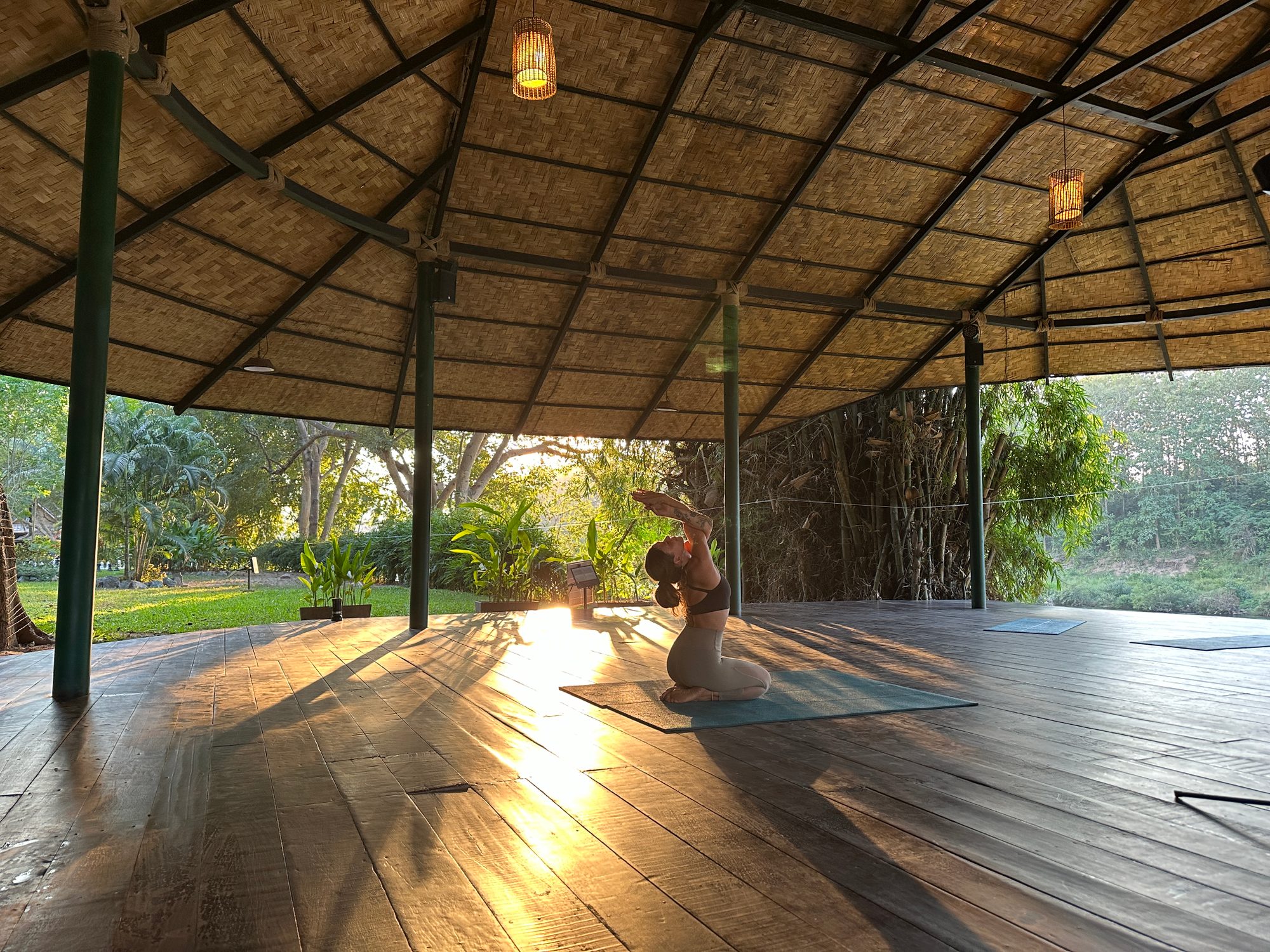
Luang Prabang has places to stay at every level, from guesthouses in the old town to riverside hotels on the Nam Khan a short drive away, several with river beaches, pools, organic farms, spas and morning yoga.
If you want a structured retreat alongside your Luang Prabang time, several riverside hotels run multi-night wellness programmes with massage, qi gong, yoga and farm-to-table menus. Ending a combined Vietnam and Laos trip with a retreat gives the journey a quieter close.
For general travel guidance, the Lao National Tourism Administration maintains updated information on recommended regions and seasonal travel.
Questions
Which is nicer, Laos or Vietnam?
It depends what you are after. Vietnam offers greater variety — more coastline, more cities, more cuisines. Laos offers a slower pace, particularly around Luang Prabang. Travellers who have been to both often say Laos surprised them.
Is Laos very different from Vietnam?
Yes. The two countries share a border but have distinct languages, religions, food cultures and histories. Laos is predominantly Theravada Buddhist, landlocked and much less densely populated than Vietnam.
Which is safer, Laos or Vietnam?
Both are considered safe by most international standards. The main practical concern in Laos is unexploded ordnance in certain rural areas; stay on marked paths and follow local guidance. Check your government's official travel advice before you go.
Can I combine Vietnam and Laos on one trip?
Yes, and many travellers do. Direct flights between Hanoi and Luang Prabang make the connection straightforward. Two weeks gives reasonable time in both countries; three weeks allows a slower pace through each.